GAME ART GUIDE - REFERENCE
INTRODUCTION
The fundamental importance of reference gathering has already been touched upon in a previous post - Pre-Production - but spending some time focusing on the importance of reference gathering is important. In this post two popular reference gathering tools will be explored and some case studies provided to showcase what effective reference gathering looks like. The case studies will be from an environment art project that I will be documenting here on the blog.
REFERENCING IS FREQUENTLY OVERLOOKED
Starting a new project can be exciting. There is an urge to get stuck in and get productive quickly, especially if the work has a submission deadline or client delivery date attached. As a result it is common for reference gathering to be seen as a somewhat unnecessary step or at least a step that can be quickly glanced over to that "actual production" can begin.
However, reference gathering is arguably one of the most important steps in any game art project. It informs everything that comes after it and if done effectively, will help to ensure quality in everything that is created.
High quality reference gathering will:
Provide clarity with art direction: Most projects will have a specific visual aesthetic in mind - realism, post apocalyptic etc. For these visuals to be consistent and coherent, good reference is vital to inform the design process.
Help Avoid Ambiguity: When creating assets or thinking about texture colours having high quality reference will allow the artist to make informed decisions about how something should look. It can also help art leads or project supervisors provide better feedback to artists as they work.
Enable Better Art To Be Created: Good art stems from good visual research. Spending time exploring art styles, obtaining well structured reference and clarifying artistic intent will result in higher quality art being produced.
WHERE TO SOURCE REFERENCE
There are two main ways of sourcing reference, direct capture where it is possible to use photography to get reference or through internet resources such as Ebay, Google Images, Photo Reference Packs etc.
DIRECT PHOTOGRAPHIC REFERENCE GATHERING
If it is possible to visit a location and undertake direct photographic reference, this can be a very powerful way of sourcing reference material for a project. The artist is in direct control of what to capture and can spend time acquiring reference from a number of angles even giving consideration to things like time of day. You may hear stories of artists while out on walks stopping to take reference pictures of things they find visually interesting or which may contribute to a project they are working on.
This method however does have limitations. You need permission to photography in places that you do not own and you need the right equipment to facilitate proper capture. While modern phones are often equipped with really capable cameras - photographic reference gathering with a mirrorless dedicated camera will open up more options with variable lenses etc. This method is also dependent on having access to the right resource in the first place. If you are working on a project that leans heavily into foliage but live in a large urban area, you might find it difficult to source foliage reference. Furthermore, capture is weather dependent, where the right conditions are required for capture purposes. In some cases it may just not be possible to get reference directly and this is where internet resources come into play.
INTERNET REFERENCE GATHERING
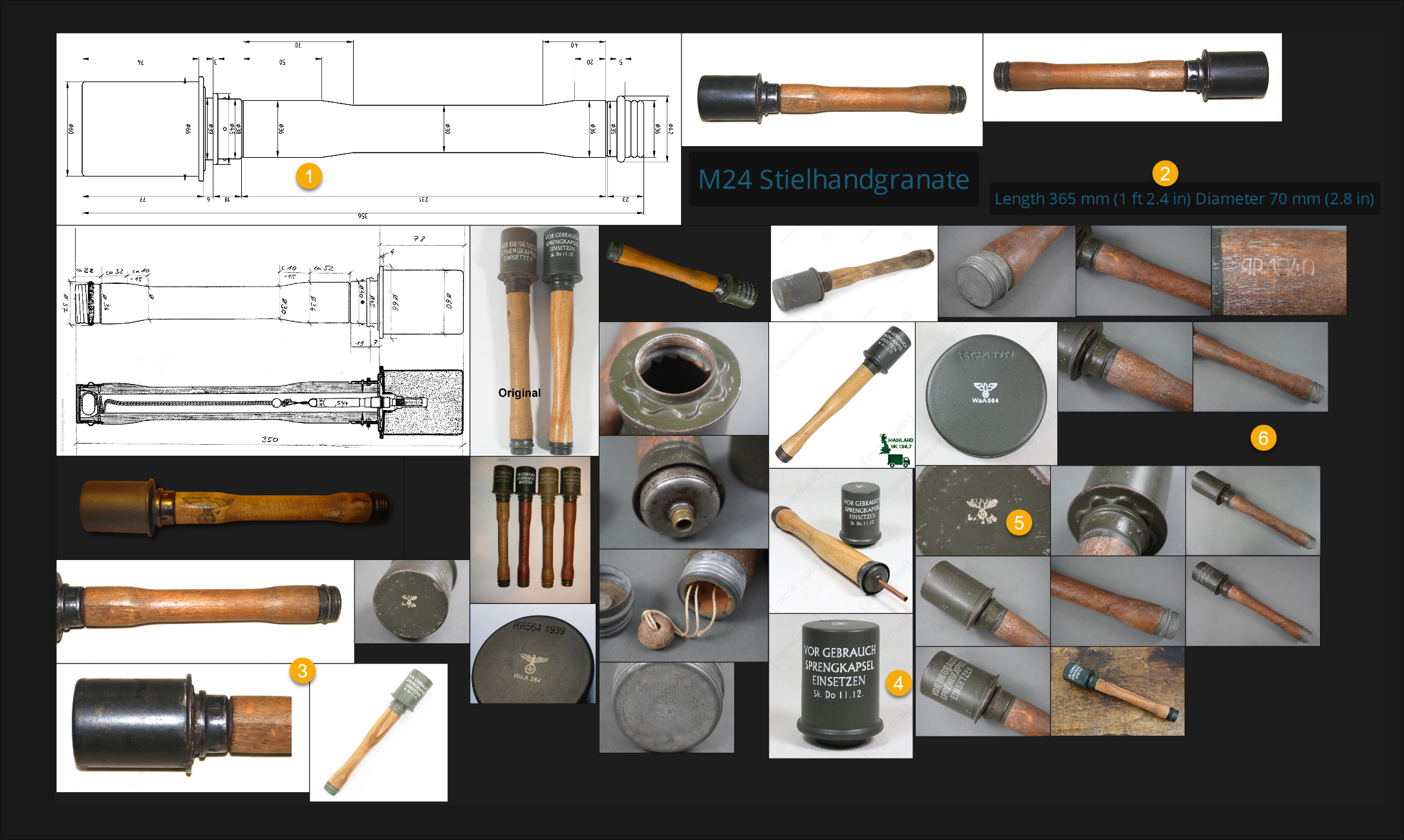
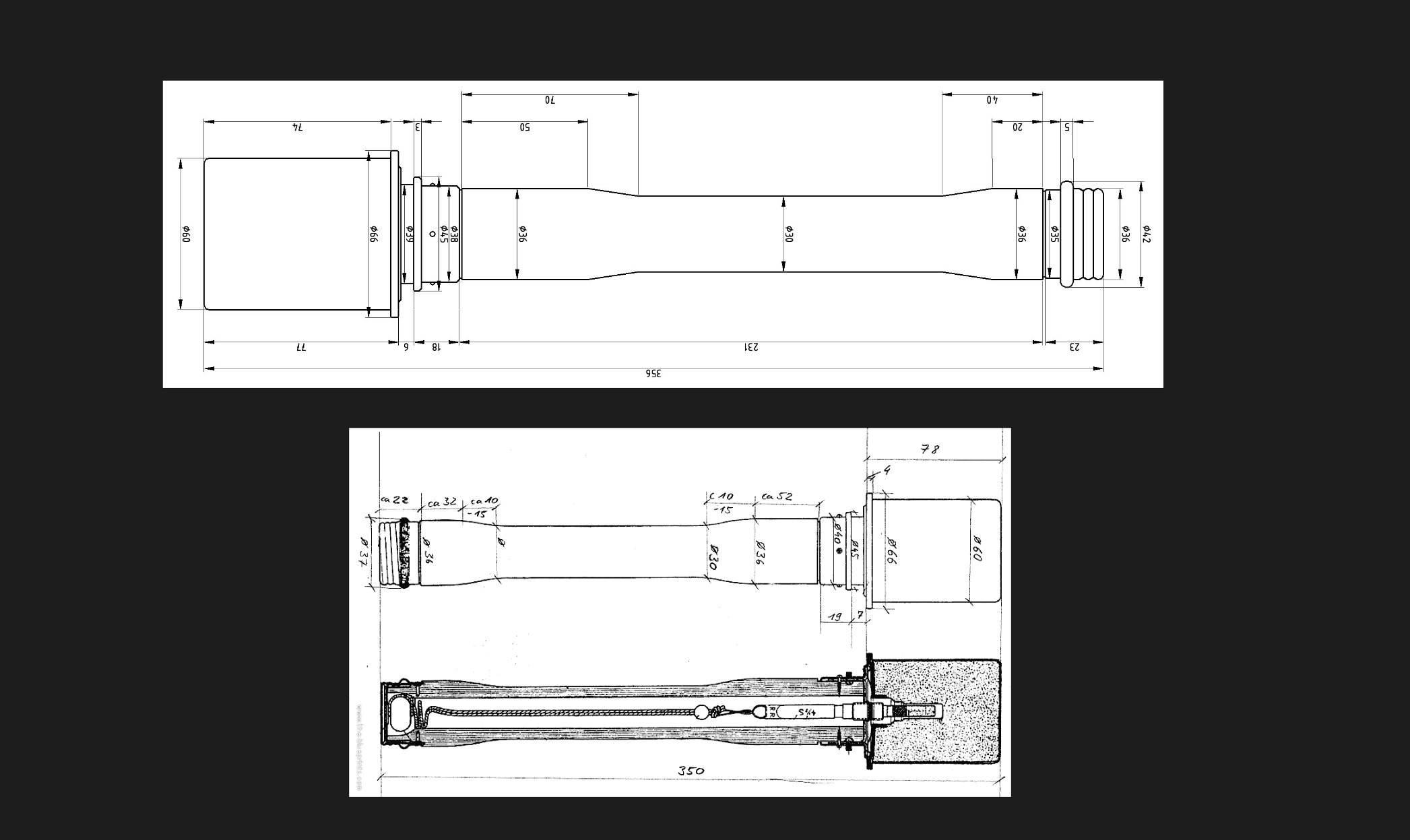
Ebay, Amazon, Google Images, auction websites, museums, photography archives & photographic reference packs are all valid sources to obtain reference images from. People that are trying to sell goods will often present them with lots of images to show the product looks thus making online retailers very effective in sourcing reference. Google Images, particularly it's reverse image search function is really powerful in obtaining similar images to support reference gathering. It can often be possible to source schematics of specific items online too which provide detailed measurements for a given prop.
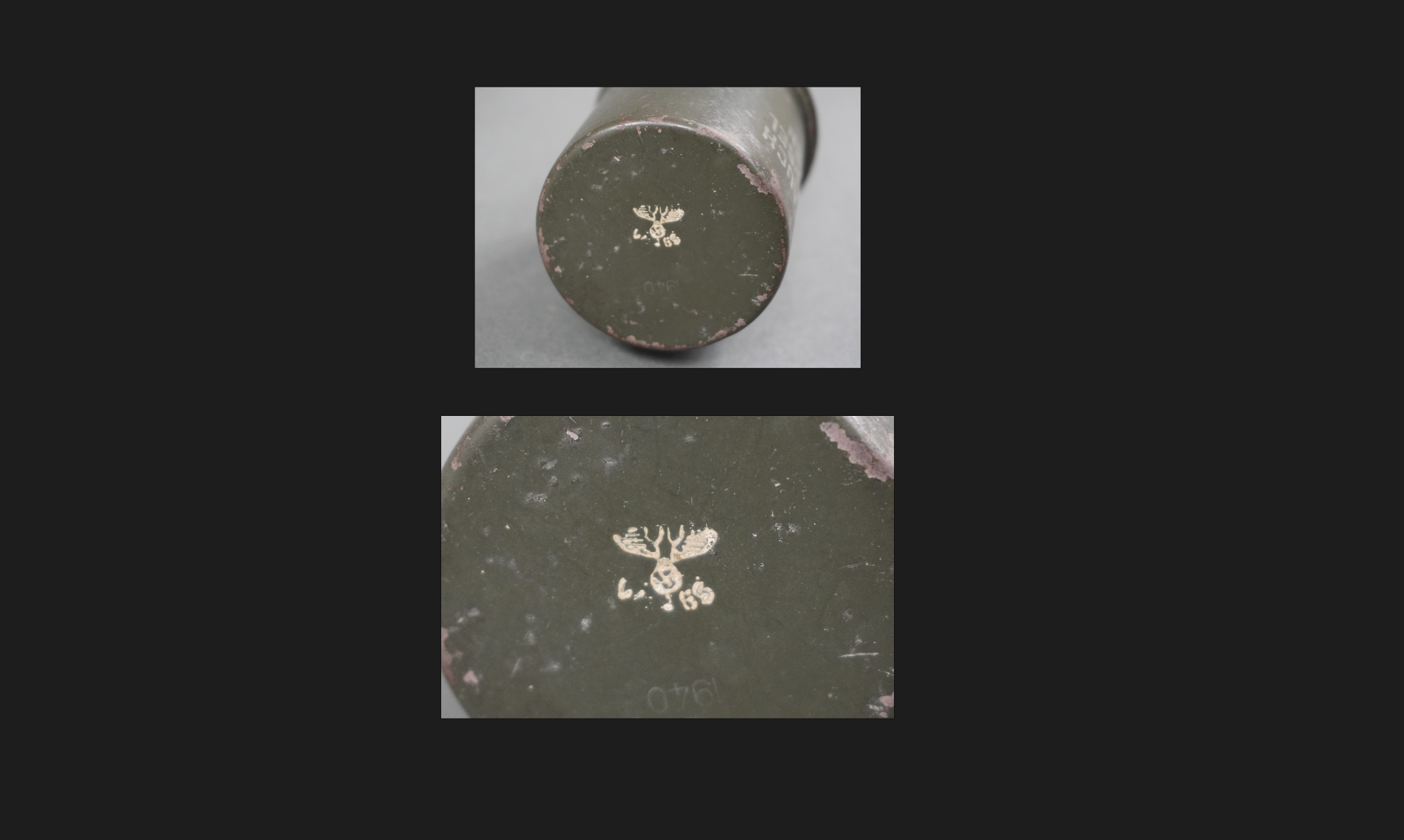
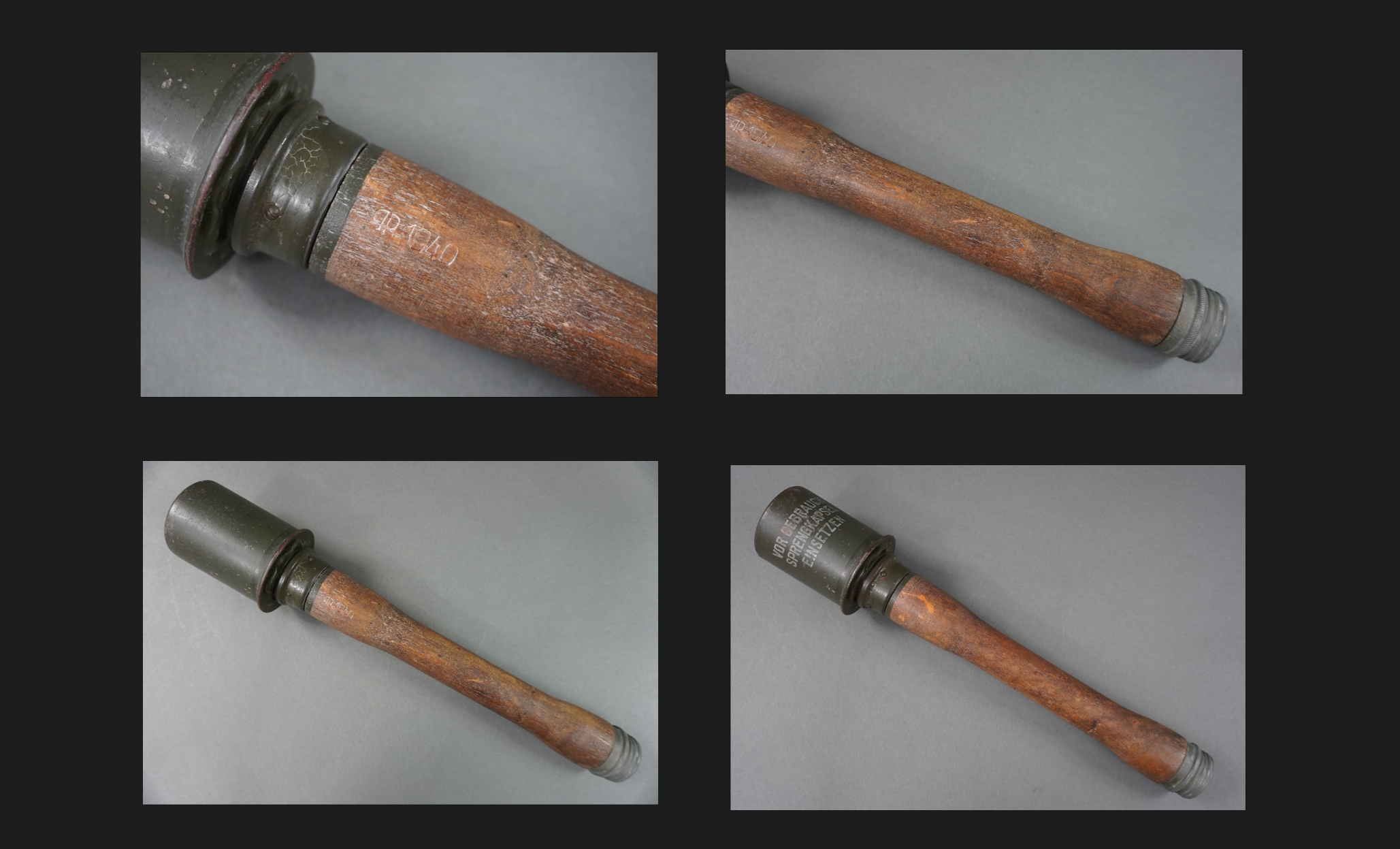
The images below showcase some useful reference for a prop:
Schematic reference showing measurements and proportions for the M24 hand grenade.
Specific measurements obtained to inform the creation stage.
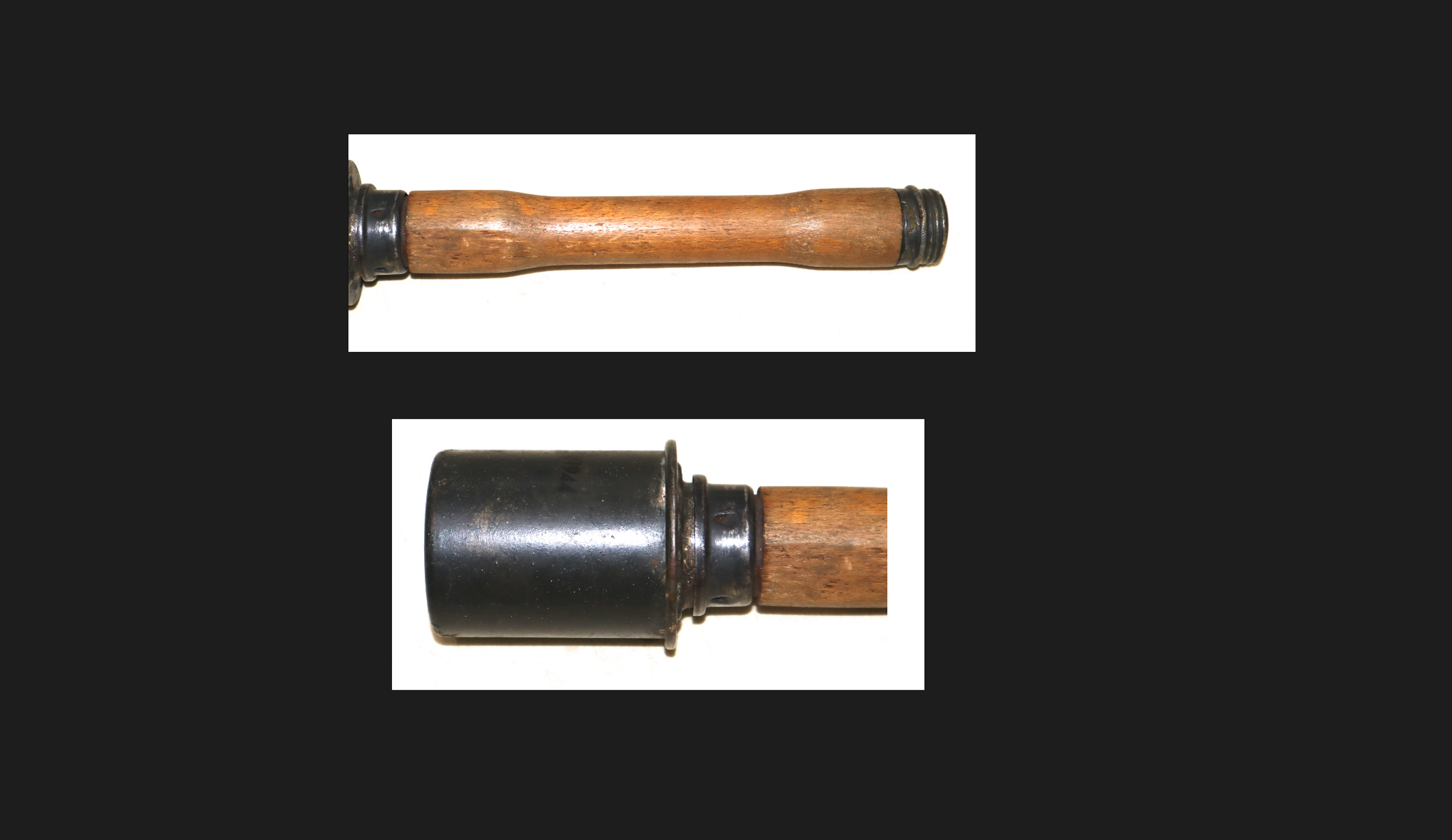
Close up details for the wood and grenade head.
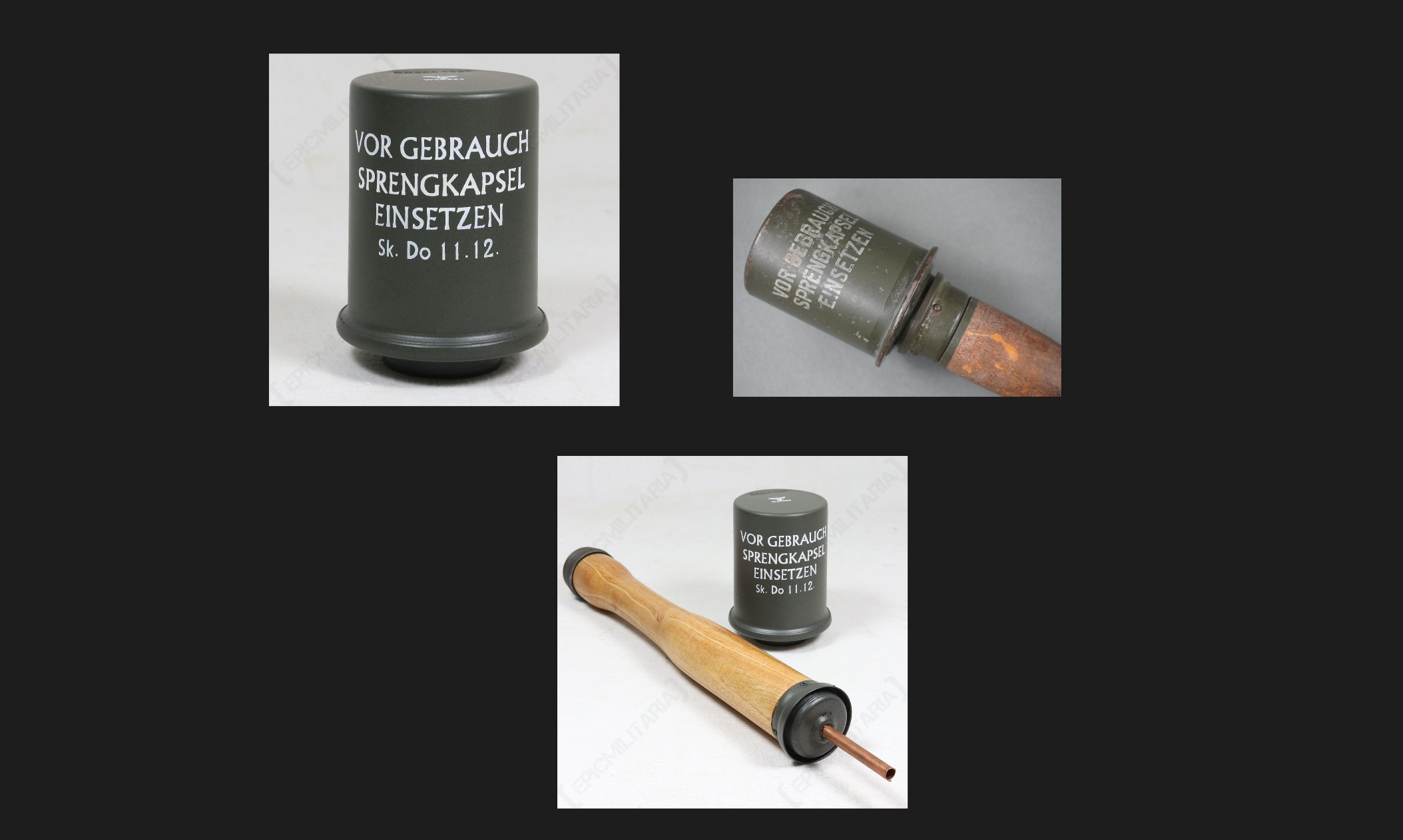
Text information that will need to be recreated as an alpha in Photoshop.
Detailed wear and year examined.
Wood staining and colouration.